KJSEA 2025 results: Girls outshine boys in majority of subjects as over 1.1 million complete first CBC assessment
Education Principal Secretary Julius Bitok confirmed that senior school placements would start immediately and be managed digitally.
Over 1.1 million learners have completed the 2025 Kenya Junior Secondary Education Assessment (KJSEA), the first cohort under Kenya’s Competency-Based Curriculum (CBC), marking a historic step as students prepare to transition into senior secondary schools in January 2026.
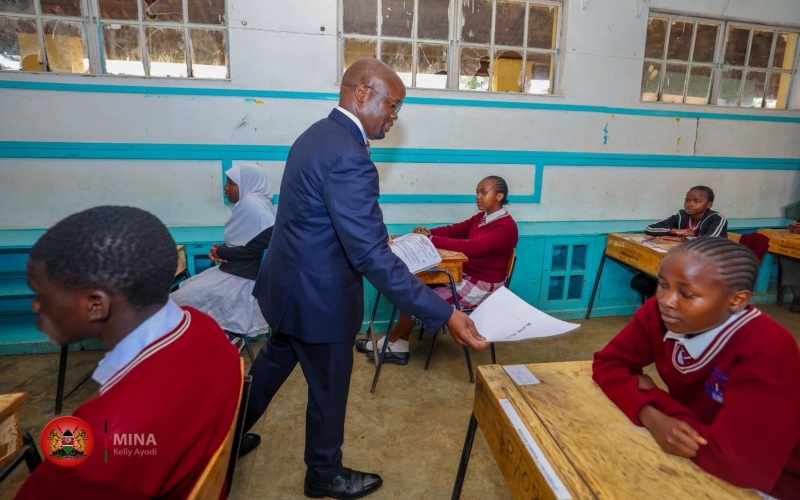
The exams were conducted nationwide between October 27 and November 3 to assess learners’ readiness for senior secondary education.
More To Read
- KJSEA 2025 results: Mathematics, Kenyan sign language record lowest performance among learners
- How Grade 10 learners will be placed in senior schools using eight-point assessment system
- How to check school your child has been placed in before release of KJSEA results
- Hundreds of exam candidates stranded by Elgeyo Marakwet mudslides to be airlifted for national exams
- KCSE exam papers to be airlifted in flood-hit regions - CS Julius Ogamba
- Government to release KPSEA and KJSEA results in December, KCSE results in January next year
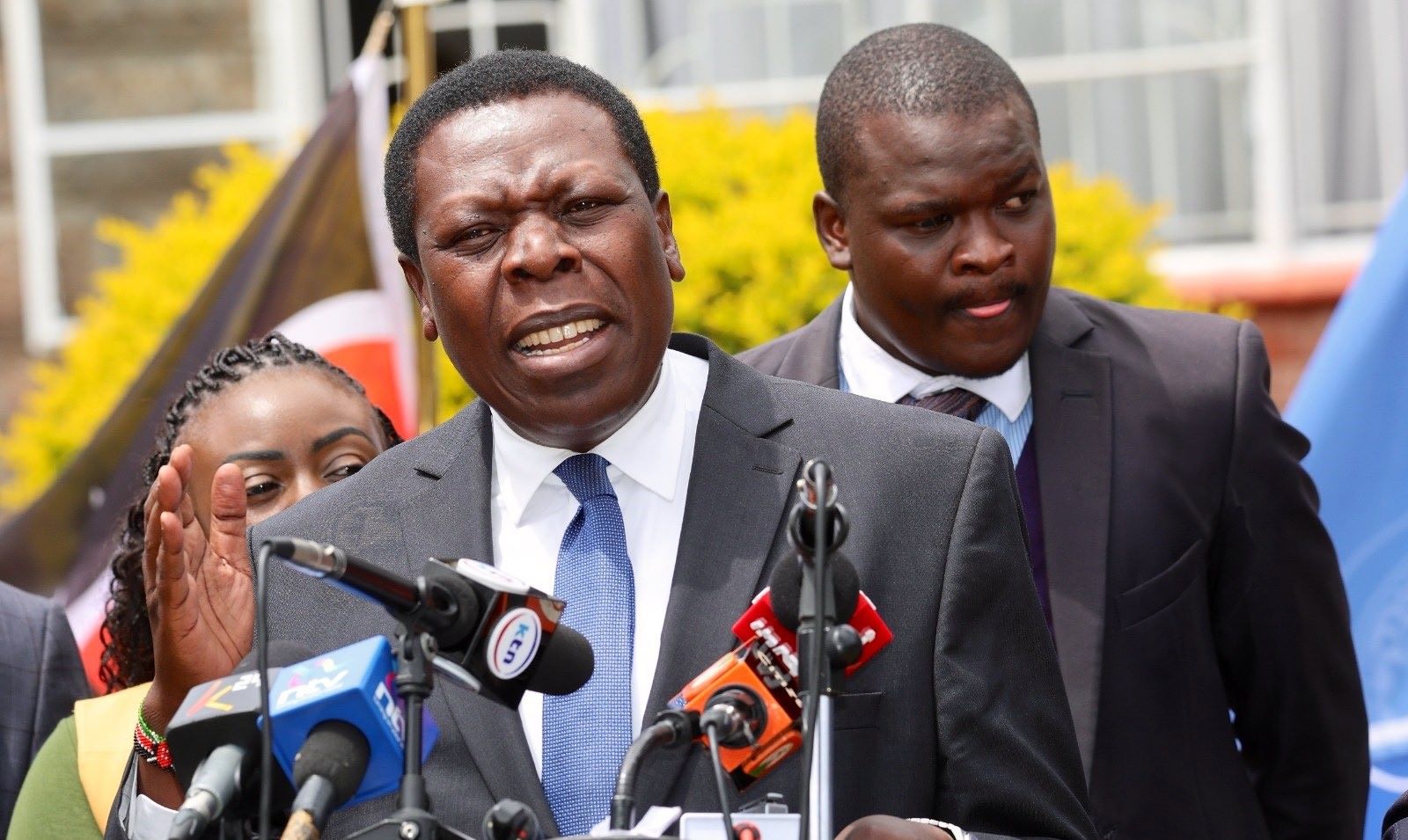
Speaking on Thursday while releasing the results, Education Cabinet Secretary Julius Ogamba said all 1,130,459 registered learners successfully sat the assessments despite weather disruptions in several counties.
“I am happy to report that all the learners who registered and presented themselves for the 2025 KJSEA and Kenya Intermediate Level Education Assessment (KILEA) assessments successfully sat the assessments despite a few challenges that were appropriately addressed by our field personnel,” he said.
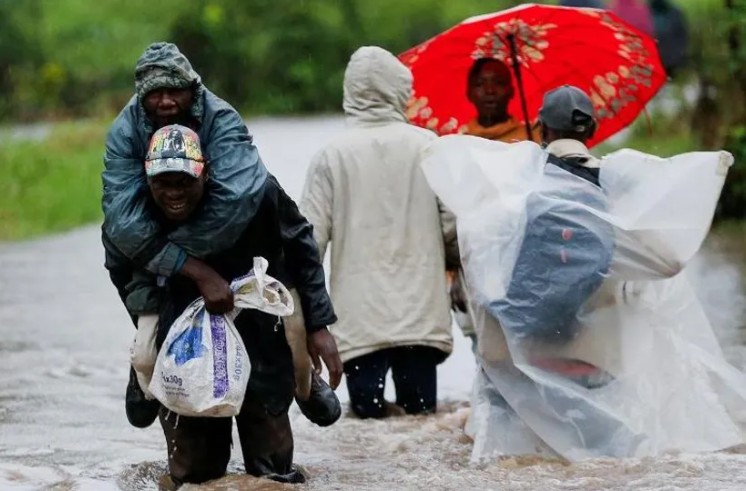
Heavy rains, swollen rivers and a landslide in Elgeyo-Marakwet triggered contingency plans, including relocating affected centres and providing additional transport. Hospitalised learners were also given special arrangements to take their exams.
Unlike traditional exams, KJSEA results have been released without ranking. The Ministry of Education has placed learners into four performance bands, including Exceeding Expectations, Meeting Expectations, Approaching Expectations and Below Expectations, to reduce unhealthy competition.
Scores are calculated from three components: the Grade Six KPSEA assessment (20 per cent), school-based assessments in Grades Seven and Eight (20 per cent), and the summative KJSEA assessment (60 per cent).
According to the Ministry, each of the nine subjects carries a maximum of eight points, giving a total of 72 points. These determine placement within the four performance bands.
“In the Exceeding Expectations band, scores of 75–100 per cent are awarded seven to eight points. The Meeting Expectations band covers 41–74 per cent, Approaching Expectations 21–40 per cent, and Below Expectations 0–20 per cent,” Ogamba said.
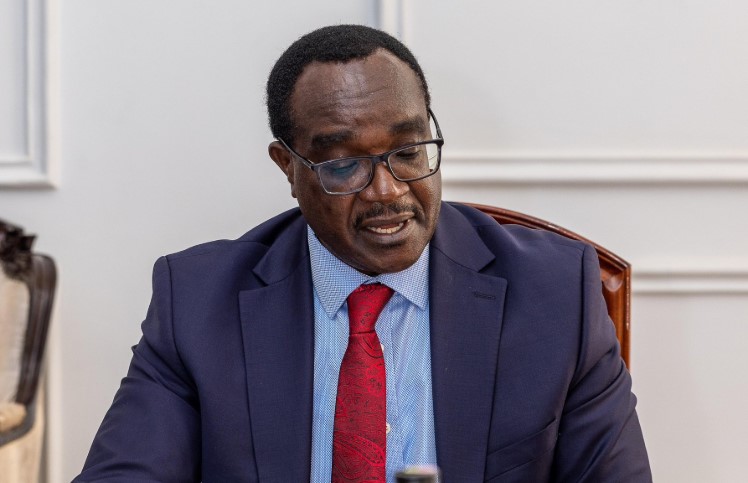
KNEC CEO David Njengere said 1,130,587 candidates were registered across 24,366 junior secondary schools.
“We also administered a qualifying test to 2,032 Grade 9 learners joining from other systems or countries who had not previously registered for KPSEA,” he said.
On marking, Njengere added that 11,239 examiners scored structured questions at 21 marking centres, while multiple-choice questions were machine-scored concurrently at KNEC.
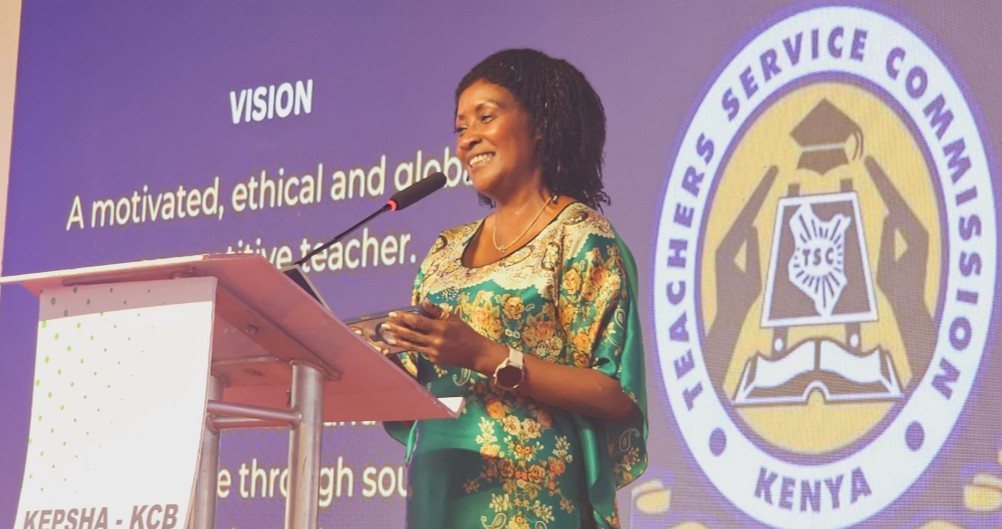
Acting TSC CEO Eveleen Mitei confirmed that 176,628 teachers supported the assessment, including 24,277 centre managers, 26,632 supervisors, and 125,719 invigilators.
“All systems are in place for Grade 10 learners to transition smoothly to senior schools following the release of the first KJSEA results under CBC,” she said.
Female learners outperformed male learners in most subjects.
“The widest gender gap was observed in Kiswahili at 64.86 per cent versus 51.4 per cent, followed by CRE at 59.77 per cent versus 48.39 per cent,” Ogamba said.
He also cited gaps in English (52.82 per cent vs 48.45 per cent) and Social Studies (62.89 per cent vs 54.35 per cent). Performance in mathematics (32.44 per cent) and Kenyan Sign Language (22.14 per cent) remains a concern.
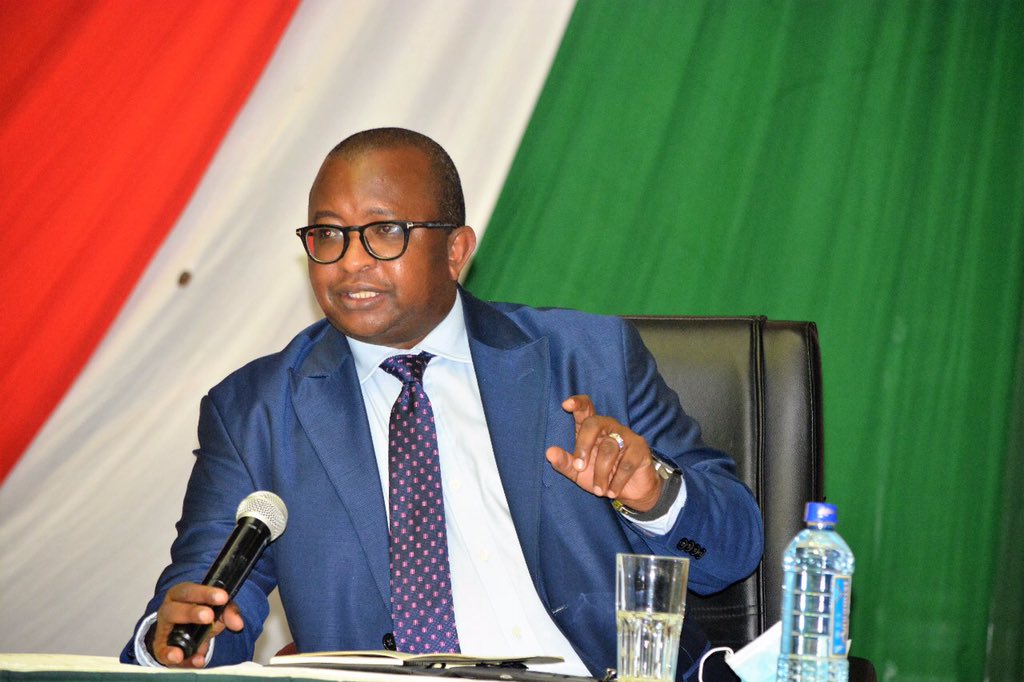
Education Principal Secretary Julius Bitok confirmed that senior school placements would start immediately and be managed digitally.
“This transition ensures learners continue their academic journey seamlessly while benefiting from the skills-oriented CBC framework,” he said.
Students are expected to report to senior secondary schools on January 12, 2026.
The results also show regional and gender trends. Nairobi (71,022), Kakamega (59,384) and Nakuru (54,028) counties recorded the highest number of learners. Forty-one counties had more male than female learners, while Mombasa achieved gender parity. Isiolo, Nairobi, Samburu, Marsabit and West Pokot had more female than male learners.
Professor Julius Omondi Nyabundi, KNEC Chair, emphasised the council’s role in upholding examination integrity.
“KNEC is mandated to conduct school and tertiary assessments and examinations and certify learners on their achievements. The council is committed to upholding the credibility of national examinations and assessments,” he said.
To facilitate access, the Ministry of Education has activated an SMS platform, allowing parents, teachers, and learners to check results using the learner’s assessment number on the KNEC website.
CS Ogamba said all 1.13 million learners will be placed in appropriate senior school pathways aligned to their performance and career interests.
Top Stories Today
Reader Comments
Trending